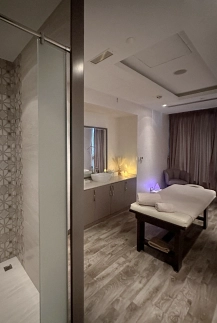
Massage and Health: Understanding the Limits
01.01.2018
For centuries massage therapy has been used for comfort and relaxation. That history does not establish massage as a cure for illness.
Any massage offered within clinical care differs from an ordinary spa appointment. People receiving treatment should discuss suitability with their care team.
The evidence for massage varies by condition and technique. It should not be presented as a general treatment for disease.
Let’s distinguish relaxation from medical treatment in the examples below.
Relaxation during a massage is not the same as treating an anxiety disorder or depression. Seek qualified support for ongoing symptoms.
Results cannot be predicted from claims about hormone or neurotransmitter changes. A spa session should not replace mental health care.
Frequent or unexplained headaches need medical assessment. Massage should not be advertised as a cure for migraine or every type of headache.
Speak to a clinician about persistent symptoms and tell your therapist about any advice relevant to your session.
Ask your oncology or surgical care team before arranging massage during cancer treatment or recovery. Specialist supportive care must not be confused with treating cancer itself.
No spa massage can promise to remove the symptoms or side effects of cancer treatment.
Assessment of chronic pain belongs with a healthcare professional. Massage may be considered for comfort in suitable cases, but it does not replace diagnosis or prescribed treatment.
Seek medical advice about massage if you have any of the conditions or recent procedures below. This is not a list of illnesses that a spa massage can cure.


Developed by the team





 La Suite Dubai Hotel & Apartments, 7th Floor, Sidra Tower, Sheikh Zayed Road, Media City, Dubai, UAE
 Telegram booking